




Basements make obvious sense until you look at the ground. In countries where they are common, a basement is not an architectural luxury. It is a practical response to specific conditions: stable, well-drained soils, a deep water table, a construction culture built on excavation expertise, and climates that favour below-ground utility space. Nigeria has none of these.
The near absence of residential basements in Nigerian homes is not an oversight, nor is it a failure of ambition. It is the logical outcome of geography, climate, economics, and construction practice working together over time.
Building below ground in Nigeria is typically more difficult, more expensive, and less practical than building above it. Everything else follows from that reality.
In places where basements are standard, the ground supports excavation. In Nigeria, it resists it.


The Ground Conditions That Make Basements Difficult
The most decisive factor lies beneath the surface. Across much of southern Nigeria, particularly in Lagos, soil conditions are soft, moisture-rich, and structurally sensitive when disturbed. Laterite, clay, and loose sand dominate. These materials behave differently under load compared to the dense, well-drained soils found in regions where basements are routine.
Lagos itself sits low, with large parts of the city barely above sea level. In many locations, the water table rests close to the surface, and some districts experience gradual subsidence over time. Excavation does not simply remove soil. It exposes groundwater.
That exposure introduces continuous hydrostatic pressure against underground walls. Water does not politely stay outside. It presses, seeps, and accumulates. Saturated soils also exhibit reduced bearing capacity, increasing the likelihood of structural movement if not carefully engineered. This is not a single problem. It is a layered system where soil behaviour, groundwater movement, and structural load interact continuously.
Without layered waterproofing systems and long-term drainage management, intrusion is not a risk. It is a certainty.



In practical terms, a basement in these conditions becomes a space that must constantly resist the natural behaviour of the ground. The ground is not passive. It presses back. For most homeowners, the logic is not ignorance. It is preservation.
Rainfall, Drainage, and Flooding Pressure
Nigeria’s climate does not merely complicate basement construction. It actively works against it.
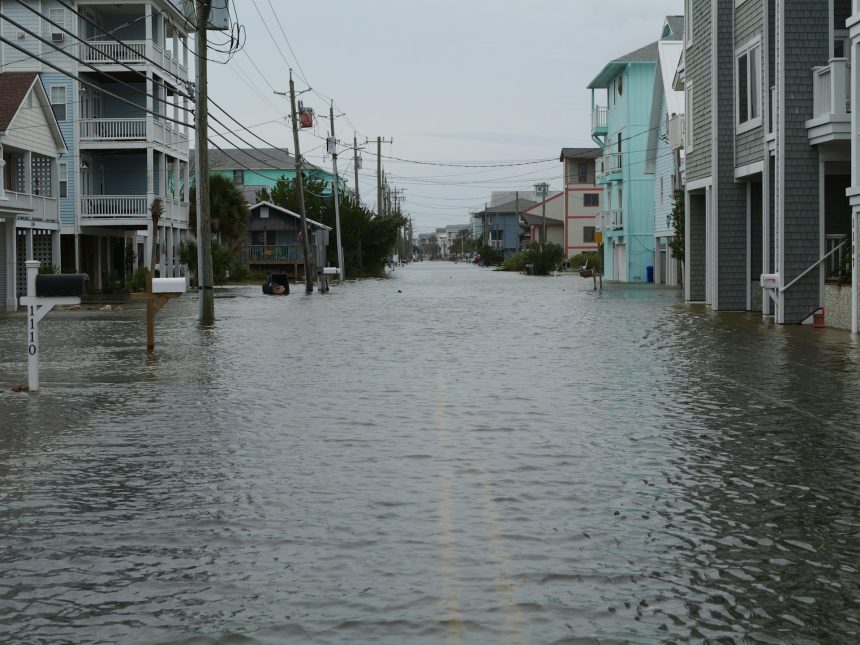
Southern regions experience heavy, concentrated rainfall across distinct wet seasons. Lagos alone receives between 1,500 and 1,800 millimetres of rain annually. During peak periods, drainage systems are often overwhelmed, particularly in rapidly urbanising areas.
Surface-level flooding is already common in districts such as Lekki and Victoria Island. Roads submerge and water enters ground-floor spaces. During heavy rains, drainage systems can fail and water accumulates quickly, sometimes remaining for days where drainage channels are blocked or undersized. Even well-designed underground systems can be overwhelmed under these conditions.
A basement in this context is not just a design decision. It is a permanent water management system that must function without failure. Where water is persistent, failure is cumulative.
Why Building Downward Costs More
Cost reinforces what the environment already discourages.
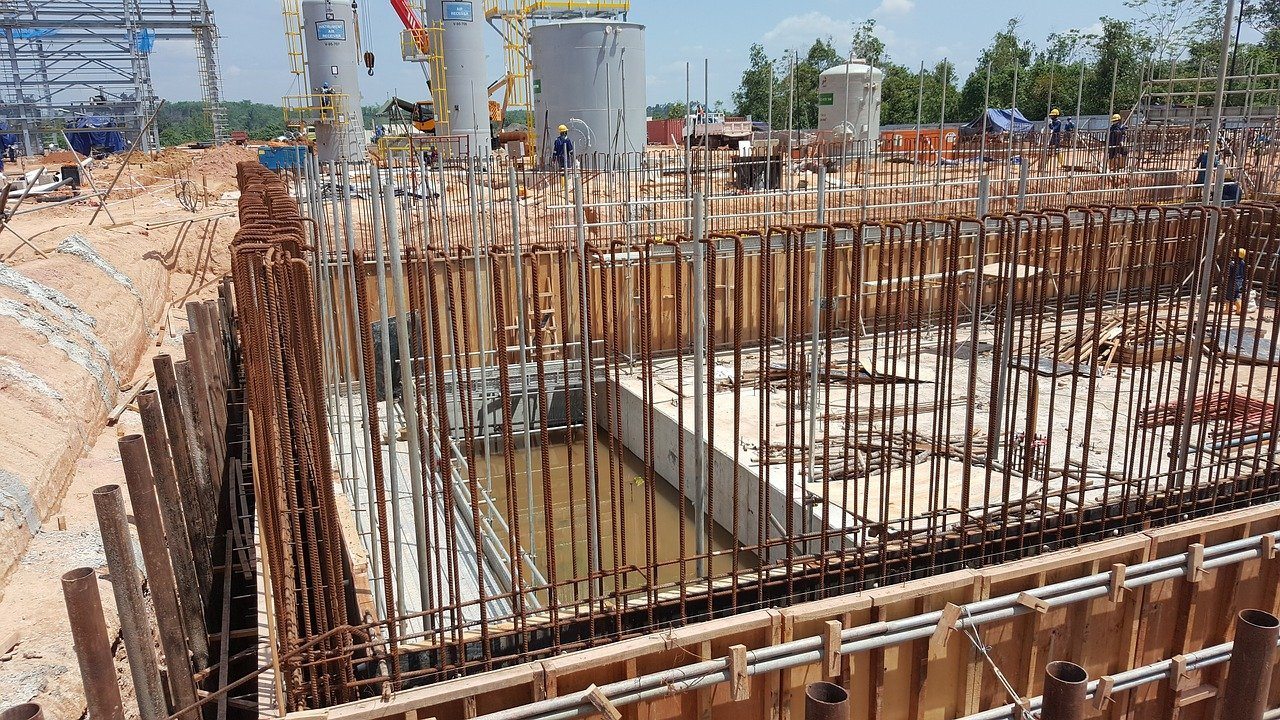
A basement is not simply a hole in the ground. It requires reinforced retaining walls to resist lateral soil pressure, waterproofing membranes applied in stages, drainage channels or sump systems to manage groundwater, and careful excavation before the main structure begins.



In difficult soil conditions, the cost of this can rival or exceed adding an entire storey above ground.
For most Nigerian homeowners, the comparison is clear. The same investment used to build upward produces visible, ventilated, and culturally valued space. Building downward creates a hidden space that must be defended against water indefinitely.
There is also a structural reality tied to how homes are financed. Residential construction in Nigeria is often incremental. Foundations are laid, walls rise, roofing follows, and additional spaces are added over time as funds become available.
Basements do not fit into that rhythm. They demand full commitment at the beginning, before any visible structure emerges. That requirement sits outside the financial pattern of most households. This model works because above-ground construction can pause and resume. A basement cannot. It either exists in full from the beginning, or not at all.
This is not merely a cost issue. It is a risk decision. In countries where basements are standard, the ground supports excavation. In Nigeria, it resists it.
Construction, Infrastructure, and Technical Limitations
The cost of building downward is not only financial. It includes technical capacity and infrastructure dependency.
Basement construction introduces a different level of technical demand compared to standard residential building. In many residential projects, formal geotechnical surveys and specialist waterproofing design are not consistently integrated, which raises the margin for error. In addition, buildings are often executed without formal architectural supervision, relying on contractor experience rather than engineered design.
That gap becomes critical when construction moves below ground level.
It requires geotechnical assessment, controlled excavation, structural design capable of handling soil pressure, and precise waterproofing execution. These processes exist but are not consistently accessible across everyday residential projects.
A basement is also not self-sustaining. It depends on systems.
Ventilation, lighting, and water control must operate continuously. In environments with stable electricity, these systems are background infrastructure. In Nigeria, where power supply can be inconsistent, they introduce vulnerability.
Without ventilation, underground spaces become damp and unhealthy. Without pumps, water ingress escalates quickly. What appears as additional space can become unusable within a short period.
An underground room is only as reliable as the systems that support it. Remove the systems, and the space reverts to what the ground intends it to be.
Where technical execution and infrastructure cannot be guaranteed at scale, avoiding basements becomes a rational choice rather than a limitation.
Why Nigerian Homes Prioritise Height Over Depth
Beyond engineering and cost, there is a cultural dimension that quietly shapes building decisions.
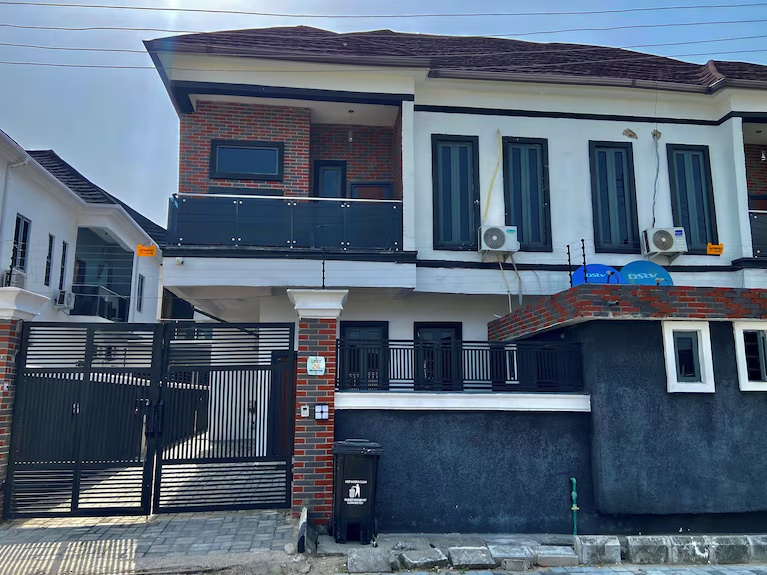
In Nigeria, the form of a house communicates meaning. Residential construction is not merely a construction exercise. It is a social declaration that communicates something about the household. Height is visible. A duplex signals progress, permanence, and achievement. It can be seen, referenced, and socially recognised.
Depth offers no such visibility. A basement does not contribute to the external identity of the house.
Residential construction is not only functional. It is expressive. Within that cultural language, vertical expansion carries meaning. Underground space does not. In that cultural vocabulary, the basement has no sentence.
This is not vanity. It is how built environments communicate status and intent across societies.
In London, a basement conversion signals wealth because excavating beneath an existing structure is expensive and technically demanding. In Germany, basements are standard because soil conditions, climate, and construction systems support them. In Lagos, a duplex with a visible upper floor, tiled finishes, and a defined frontage carries the same meaning. It is what can be seen, pointed at, and referenced during the family visit or the naming ceremony.
What cannot be seen rarely carries social weight.
Why Basements Are Common in Other Countries
Basements did not emerge randomly. They were shaped by necessity.
In colder climates, foundations had to extend below the frost line to prevent structural damage. That required depth created usable space, which was then adapted for storage, heating systems, and utilities. The ground itself acted as insulation.
Nigeria has no frost line. Foundations do not need to extend deeply for protection. The environmental pressures that produced basement culture elsewhere are largely absent.
The absence of basements is partly the absence of the conditions that made basements necessary elsewhere.
Are Basements More Feasible in Cities Like Abuja?
Conditions are not uniform across Nigeria.
Inland cities such as Abuja offer comparatively firmer soils and, in some areas, lower water tables. These conditions make basement construction more technically feasible.
However, feasibility does not remove the broader constraints. Cost, technical execution, drainage planning, and long-term maintenance still apply. As a result, basements remain uncommon even in these more favourable locations.
Where Basements Actually Exist in Nigeria
Basements are not impossible in Nigeria. They are situational.
They appear in high-end developments and commercial projects where engineering expertise, funding, and planning capacity are available.
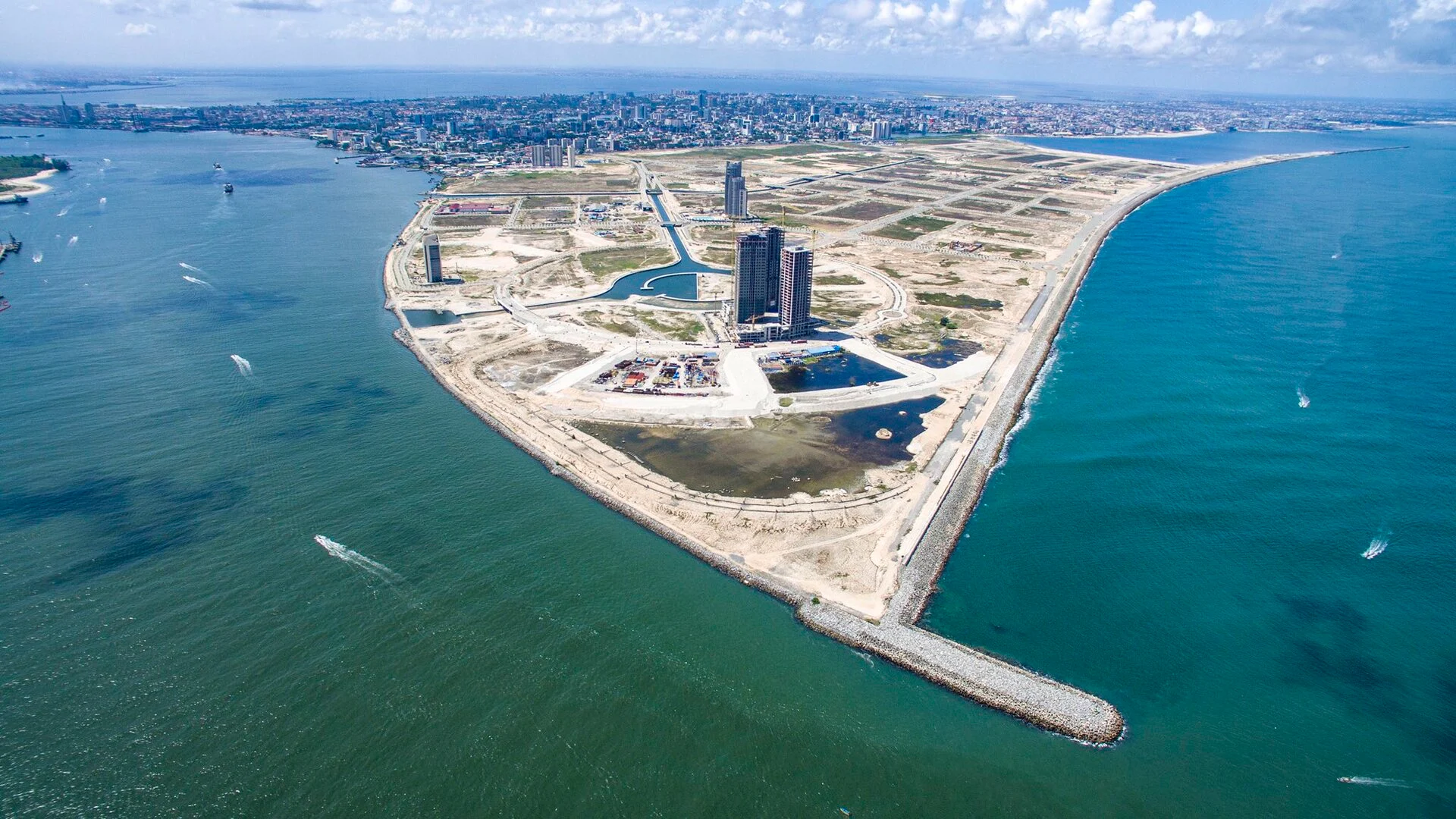
In developments such as Eko Atlantic, particularly in projects like the Eko Pearl Towers developed by the Chagoury Group in partnership with the Lagos State Government, basement parking is feasible because the environment itself has been engineered, with land elevation raised above the natural water table and drainage systems designed to manage groundwater at scale.
The groundwater did not move. The city moved around it.
This is not standard residential construction. It is controlled, capital-intensive development. The distinction matters.
Basements here are engineered exceptions, not everyday solutions.
Why This Is a Practical, Not a Design, Decision
The absence of basements in Nigerian homes is not a design oversight. It is a calibrated response to the realities of the environment.
Where the ground resists excavation, builders move upward. Where cost limits flexibility, visible space takes priority. Where climate demands airflow, design favours openness.
This is not a limitation. It is adaptation.
The ground here remembers its water.