




Late in the afternoon, someone stands in front of a supermarket shelf, basket already heavy. Two similar choices sit side by side. One is labelled organic, locally sourced, and responsibly packaged. The other is cheaper, familiar, and will stretch further across the week. There is no dramatic moral tension, just a quiet calculation shaped by time, budget, habit, and hunger.
This is where most conversations about sustainable eating actually take place. Not in policy documents or food campaigns, but in ordinary moments where ideals meet reality.
Sustainable eating is often framed as a clear moral position. Eat this, not that. Support these systems, reject those ones. In practice, it is far less tidy. It unfolds through compromise, repetition, and constraint. To understand what sustainable eating really means, it helps to look not at theory, but at how people actually feed themselves and their families day after day.
Why Sustainable Eating Is So Easily Misunderstood
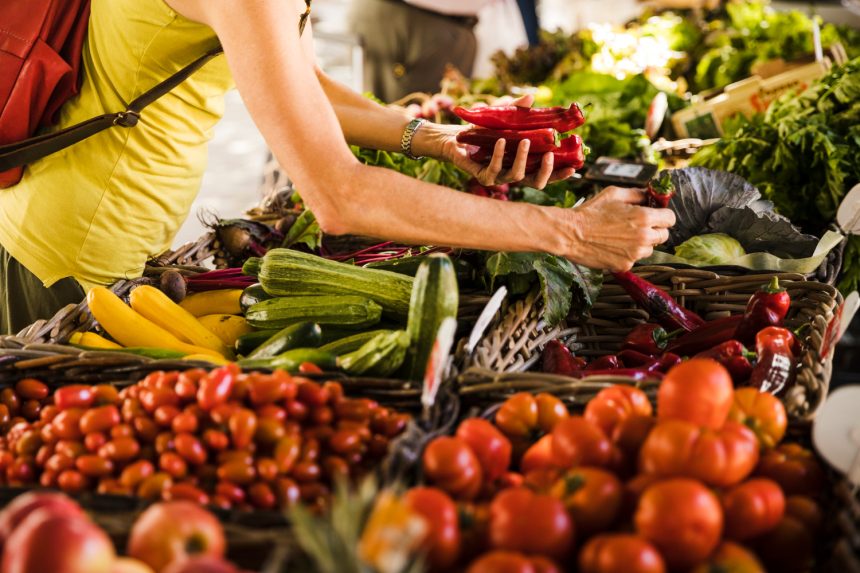
Much of the confusion around sustainable eating comes from how it is presented. It is frequently associated with purity, discipline, and access. The images are familiar. Farmers’ markets with abundant produce. Carefully curated meals. Packaging that signals ethical awareness.
A quick search for “sustainable eating” returns articles with titles such as “Ten Zero-Waste Meal Prep Ideas” or “The Ultimate Guide to Eating Ethically”. The tone is aspirational. The assumption is abundance—of time, money, and mental bandwidth.
For many people, this creates distance rather than inspiration. Sustainability begins to look like a lifestyle reserved for those with disposable income, flexible schedules, and time.
This framing overlooks a basic truth. Eating is not a moral performance. It is a daily necessity shaped by availability, culture, cost, and fatigue. When sustainability is presented as a personal virtue rather than a collective challenge, it becomes easier to admire than to practise.
The Economic Reality Behind Food Choices
Food decisions are inseparable from money. For households managing tight budgets, sustainability is rarely the primary variable. Price, quantity, and reliability matter first.
Research consistently shows that organic foods cost, on average, between 20 and 50 percent more than conventional alternatives. For households spending 30 to 40 percent of their income on food, a reality for many low- and middle-income families, this difference is not marginal. It is prohibitive.
Fresh produce often spoils faster than processed alternatives. Ethically sourced foods may cost more upfront. Bulk buying requires both cash and storage space. These are not abstract trade-offs. They shape what is realistically possible.
In many communities, access itself is uneven. Some areas lack fresh food markets altogether. Others rely heavily on imported or packaged goods. In these contexts, sustainability is less about choosing the ideal option and more about navigating what is available.
This does not mean people are indifferent to environmental impact. It means the structure of food systems places responsibility on individuals without equipping them with realistic choices.
Time, Energy, and the Role of Convenience
Modern life compresses time. Long working hours, commuting, caregiving, and mental load leave little room for careful food planning.
Convenience foods exist for a reason. They reduce decision fatigue. They save time. They allow people to eat when energy is low.
A parent working two jobs does not have the luxury of soaking dried beans overnight or planning elaborate meal prep on Sundays. A university student juggling coursework and part-time employment cannot always shop at multiple stores to find ethically sourced ingredients. These are not failures of commitment. They are structural realities.
Sustainable eating discussions often overlook this constraint. Cooking from scratch requires not only ingredients, but planning, skill, and mental space. For many households, especially during demanding seasons of life, convenience becomes a form of survival.
In this context, sustainability cannot mean perfection. It must account for fluctuation. Some days allow for thoughtful choices. Others do not. Patterns matter more than isolated decisions.
Culture, Tradition, and Identity at the Table
Food is never only nutritional. It carries memory, identity, and belonging.
Cultural dishes often rely on ingredients or methods that sustainability narratives criticise or misunderstand. Asking people to abandon familiar foods in the name of environmental responsibility can feel like erasing heritage rather than encouraging care.
Rice, a staple for billions globally, is water-intensive. Beef, central to many culinary traditions, carries significant environmental cost. Fish, foundational in coastal communities, faces overfishing concerns. When sustainability discourse targets these foods without acknowledging their cultural significance, it alienates the people it seeks to persuade.
In many cultures, sustainability already exists quietly. Through seasonal cooking. Through minimal waste. Through shared meals that prioritise use over excess. These practices rarely appear in glossy campaigns, yet they are foundational.
Sustainable eating, when grounded in daily life, respects this complexity. Change that ignores identity rarely lasts.
What Sustainability Looks Like in Practice
In daily life, sustainable eating rarely appears as a dramatic shift. It looks incremental.
A family might buy a whole chicken instead of pre-cut portions, using the bones for stock and the leftover meat across several meals. Someone living alone might freeze half a loaf of bread to avoid waste. A household might designate one night a week as leftovers night, turning odds and ends into soup or fried rice.
These are not headline-worthy changes. They are the accumulated adjustments that actually endure.
Sustainability, in this sense, is not a diet or a rule set. It is a pattern shaped by habit, access, and repetition rather than purity.
The Problem with Guilt-Driven Food Narratives
One of the most counterproductive aspects of sustainable eating discourse is guilt. When food choices are framed as moral tests, people disengage.
Guilt does not change systems. It exhausts individuals.
Research on behaviour change consistently shows that shame-based messaging may produce short-term compliance but leads to long-term disengagement. People need permission to be imperfect if they are to sustain any change at all.
Sustainable eating works best when it feels achievable, culturally grounded, and forgiving of inconsistency. This is not an argument for complacency. It is an argument for realism.
Sustainability as a Shared Responsibility
It is unreasonable to place the burden of sustainability entirely on individual consumers. Food systems are shaped by policy, distribution networks, corporate practices, and global trade.
Individuals operate within these systems, not outside them. Meaningful change requires structural support.
France, for example, banned supermarkets from discarding unsold food in 2016, requiring donation to charities instead. South Korea introduced a food waste fee system that reduced household food waste by roughly 30 percent over a decade. These interventions shift responsibility from individual virtue to systemic design.
When sustainability is treated as a shared responsibility, daily choices become part of a larger pattern rather than isolated acts of moral effort.
Closing Reflection
Sustainable eating, in daily life, is quieter than it is often portrayed. It does not announce itself through perfect meals or unwavering discipline. It unfolds through repetition, compromise, and attention over time.
Most people are not choosing between sustainability and indifference. They are choosing within constraint.
Understanding this does not lower the bar. It grounds it. When sustainability is defined by how people actually live, rather than how they are told they should live, it becomes something that can endure.
That endurance, not perfection, is what makes it sustainable.